


First-time buyer scheme could be ‘fantastic opportunity’ - but lawyers urge couples to plan carefully
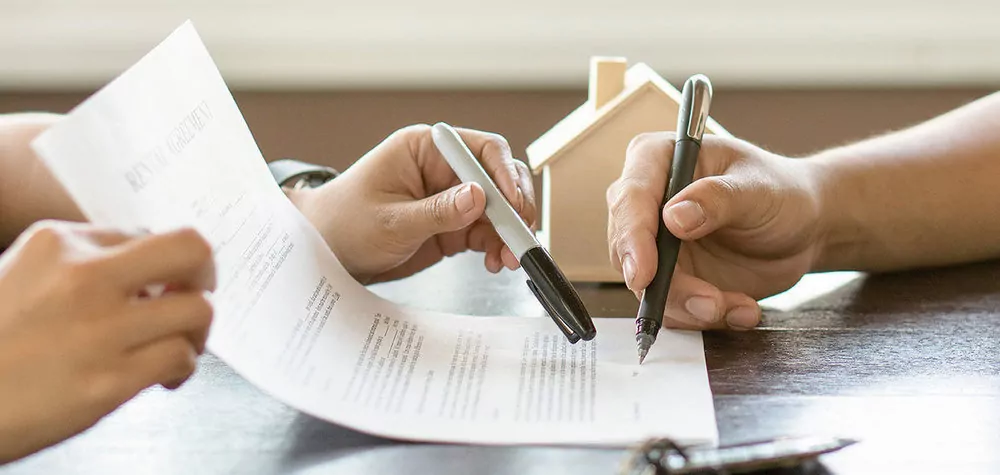
A new government backed scheme which is expected to reduce the deposit required by first-time buyers has been welcomed by a leading family lawyer - who says couples should take the opportunity to put appropriate legal protections in place before purchasing a property together.
Under Andy Burnham’s proposed Your First Home scheme, eligible first-time buyers could be able to purchase a qualifying new-build property with a deposit of just 2.5%, supported by a government equity loan. Full details of the scheme are expected to be announced in the Autumn Budget.
Kelly Parks, Solicitor and Head of Family Law at Banner Jones Solicitors, said: “This could be a fantastic opportunity for eligible first-time buyers. Saving for a deposit remains one of the biggest barriers to home ownership and, if implemented as proposed, the scheme could help many people purchase a property sooner than they expected.
However, if couples find themselves in a position to buy together, it is important that they understand their legal position before making such a significant commitment, particularly if they are not married or in a civil partnership.
One of the most persistent myths we encounter is the idea of ‘common law marriage’. Many people assume that living together for a certain length of time, or buying a home together, gives them broadly the same legal protections as a married couple. Unfortunately, that is not the case.”
Around 6.5 million people in England and Wales were living with a partner without being married or in a civil partnership in 2024, according to the Office for National Statistics.
Although reform of cohabitation law continues to be debated, unmarried couples currently do not benefit from the same legal protections available to spouses and civil partners.
Kelly says couples purchasing a property together should consider practical measures including making wills, holding the property as tenants in common where appropriate, entering into a declaration of trust to record their respective interests in the property and drawing up a cohabitation agreement.
It is also important that both parties clearly understand how the property is owned and the legal implication of that ownership structure
That can be particularly important where one partner is contributing more towards the deposit or purchase costs.
Kelly added: “When you are excited about buying your first home, talking about what happens if the relationship ended, or one of you were to die, is unlikely to be top of the agenda.
However, those conversations are often much easier to have when couples are happy, excited and planning a future together, rather than dealing with difficulties later on.
A lower deposit could mean couples are able to buy much sooner than they expected, which is undoubtedly positive news.
Our message is simply: enjoy the opportunity, if you are able to do so, but make informed decisions. Understand what you each own, how your contributions are treated and what legal protections are available in your circumstances.
A little planning at the outset can give certainty, reduce the risk of future disputes and provide peace of mind – and allow couples to focus on enjoying their first home together."